Energy efficient remodeling reduces home energy costs by improving insulation, upgrading inefficient systems, optimizing heating and cooling performance, and creating a home environment that uses energy more effectively.
Many homeowners begin renovation projects with goals such as improving appearance, increasing comfort, or adding more functionality. However, modern remodeling also provides an opportunity to improve how efficiently a home uses energy.
An energy efficient renovation focuses on the relationship between the building structure, heating and cooling systems, windows, lighting, appliances, and daily energy consumption.
By upgrading key areas of a home, homeowners can create a more comfortable living environment while reducing unnecessary energy waste.
Why Energy Efficiency Matters During Home Remodeling
A home’s energy performance depends on multiple connected systems working together.
Important factors include:
- Insulation quality
- Air sealing
- Window performance
- HVAC efficiency
- Lighting systems
- Appliance energy use
- Building materials
When one part of the system performs poorly, other systems often need to work harder.
For example, poor insulation can cause heating and cooling systems to run longer because conditioned air escapes through walls, ceilings, or gaps around windows and doors.
Energy efficient remodeling addresses these issues by improving the home’s overall performance rather than focusing on only one component.
Upgrade Home Insulation for Better Energy Performance
Improving insulation is one of the most effective energy efficient remodeling strategies.
Insulation helps regulate indoor temperatures by slowing the transfer of heat between the inside and outside of a home.
During a renovation, homeowners may improve insulation in areas such as:
- Attics
- Exterior walls
- Basements
- Crawl spaces
- Garage areas
Proper insulation helps homes stay warmer during colder months and cooler during warmer months.
This reduces the workload placed on heating and cooling systems and can improve overall comfort.
Improve Air Sealing to Prevent Energy Loss
Even homes with good insulation can lose energy through unwanted air movement.
Small gaps and cracks around building materials can allow conditioned air to escape.
Common air leakage areas include:
- Windows and doors
- Electrical openings
- Plumbing penetrations
- Attic access points
- Wall connections
Professional remodeling projects often include air sealing improvements because controlling airflow helps insulation perform more effectively.
A better-sealed home maintains indoor temperatures more consistently.
Replace Old Windows With Energy Efficient Options
Windows play an important role in a home’s energy performance.
Older windows may allow excessive heat transfer, making heating and cooling systems work harder.
Energy efficient window upgrades may include:
- Double-pane glass
- Improved window frames
- Low-emissivity coatings
- Better sealing systems
Modern windows help reduce unwanted heat gain during summer and heat loss during winter.
Beyond energy performance, updated windows can also improve natural lighting, appearance, and overall home comfort.
Upgrade Heating and Cooling Systems
Heating, ventilation, and air conditioning systems are among the largest energy users in many homes.
During a remodeling project, homeowners may evaluate whether their existing HVAC system is operating efficiently.
Energy efficient HVAC improvements may include:
- Replacing outdated equipment
- Improving ductwork
- Installing smart thermostats
- Enhancing ventilation systems
A properly sized and maintained HVAC system provides better temperature control while avoiding unnecessary energy consumption.
Professional remodeling teams often coordinate HVAC improvements with other renovation work to create a more efficient home environment.
Install Smart Thermostats for Better Temperature Control
Smart thermostats help homeowners manage heating and cooling more efficiently.
Unlike traditional thermostats, smart models can adjust temperature settings based on:
- Daily schedules
- Occupancy patterns
- User preferences
- Weather conditions
This helps prevent energy waste caused by heating or cooling an empty home.
Smart technology is becoming an important part of modern home remodeling projects because it improves both convenience and efficiency.
Improve Lighting Efficiency During Remodeling
Lighting upgrades are another simple way to reduce energy consumption.
Traditional lighting systems can often be replaced with more efficient solutions.
Common improvements include:
- LED lighting
- Motion sensors
- Smart lighting controls
- Improved natural lighting design
LED lights consume less energy and typically last longer than traditional bulbs.
During a renovation, homeowners can also improve window placement, room layouts, and lighting design to increase the use of natural daylight.
Choose Energy Efficient Appliances
Kitchen and laundry renovations often provide an opportunity to upgrade appliances.
Modern energy efficient appliances are designed to perform daily tasks while using less electricity or water.
Common upgrades include:
- Refrigerators
- Dishwashers
- Washing machines
- Dryers
- Cooking appliances
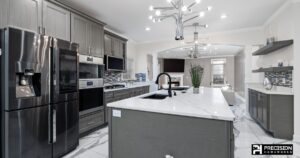
When planning a kitchen remodeling project, appliance selection should be considered alongside cabinet layout, electrical requirements, and overall energy goals.
Improve Kitchen Energy Efficiency Through Smart Design
The kitchen is one of the most active areas in a home and contains many energy-consuming systems.
Energy efficient kitchen remodeling ideas include:
- Installing efficient appliances
- Improving ventilation
- Adding LED lighting
- Creating better workflow layouts
- Reducing unnecessary heat loss
A well-designed kitchen improves daily convenience while supporting lower energy consumption.
Upgrade Bathroom Systems for Water Efficiency
Energy efficiency is not only about electricity use. Water efficiency also plays an important role.
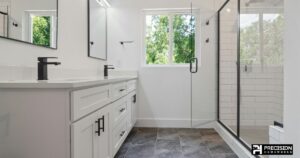
Bathroom remodeling provides opportunities to improve resource usage through:
- Low-flow faucets
- Efficient shower fixtures
- Water-saving toilets
- Improved ventilation systems
Reducing hot water consumption can also lower energy costs because water heating requires significant energy.
A modern bathroom remodeling project can improve comfort while supporting more efficient household operation.
Consider Renewable Energy Improvements
Some homeowners include renewable energy upgrades as part of larger remodeling projects.
Possible improvements include:
- Solar panel installation
- Solar water heating systems
- Energy storage solutions
Renewable energy options depend on factors such as property design, local conditions, and homeowner goals.
When combined with efficiency improvements, renewable systems can help reduce dependence on traditional energy sources.
Improve Home Ventilation and Indoor Air Quality
Energy efficient homes must also maintain healthy indoor air quality.
Modern remodeling strategies often balance energy conservation with proper ventilation.
Improvements may include:
- Better exhaust systems
- Energy recovery ventilators
- Improved airflow planning
Proper ventilation helps control:
- Humidity
- Indoor pollutants
- Odors
- Excess moisture
This is especially important in areas such as kitchens, bathrooms, and enclosed spaces.
Use Sustainable Remodeling Materials
Material selection affects both energy performance and environmental impact.
Energy conscious remodeling may include materials such as:
- Efficient insulation products
- Sustainable flooring
- Durable building materials
- Low-emission finishes
Choosing durable materials can also reduce the need for future replacements and repairs.
A well-planned renovation considers both immediate improvements and long-term performance.
Common Energy Efficient Remodeling Mistakes
Focusing Only on Visible Upgrades
Many homeowners prioritize flooring, paint, and finishes while ignoring hidden systems.
Energy performance often depends on improvements behind walls and ceilings.
Replacing Windows Without Addressing Air Leakage
New windows may not provide maximum benefits if surrounding gaps allow air infiltration.
A complete approach considers both windows and overall building sealing.
Choosing Equipment Without Proper Sizing
Oversized or undersized heating and cooling equipment may operate inefficiently.
Professional evaluation helps ensure systems match the home’s requirements.
Ignoring Long-Term Maintenance
Energy efficient systems require proper maintenance to continue performing effectively.
Regular inspections and servicing protect the investment.
How Professional Remodeling Helps Improve Energy Efficiency
Energy efficient remodeling requires coordination between multiple areas of construction.
Professional remodeling contractors evaluate:
- Existing home conditions
- Energy improvement opportunities
- Material selection
- System integration
- Construction requirements
A complete renovation considers how insulation, windows, HVAC systems, lighting, and interior design work together.
Experienced contractors can help homeowners create improvements that provide both comfort and long-term value.
Companies specializing in interior remodeling ideas can identify practical solutions that improve how a home functions every day.
Energy Efficient Remodeling Improvements That Add Home Value
Energy improvements can increase a home’s appeal by creating benefits such as:
- Lower operating costs
- Better comfort
- Improved indoor conditions
- Modern features
- Increased efficiency
Homebuyers increasingly consider energy performance when evaluating properties.
A well-executed renovation can make a home more attractive while improving everyday living.
Frequently Asked Questions About Energy Efficient Remodeling
What is the most effective energy efficient remodeling improvement?
Insulation upgrades, air sealing, HVAC improvements, and efficient windows are among the most impactful improvements because they address major areas of energy loss.
Can remodeling reduce monthly energy bills?
Yes. Improving insulation, upgrading systems, and reducing energy waste can help lower household energy consumption.
Are energy efficient renovations expensive?
Costs vary depending on the project scope. Some improvements require significant investment, while others, such as LED lighting and smart controls, can be relatively affordable.
Should I upgrade my HVAC system during remodeling?
If the existing system is outdated or inefficient, remodeling may be an ideal time to evaluate replacement or improvements.
Does energy efficient remodeling improve home comfort?
Yes. Better temperature control, improved insulation, and reduced drafts can create a more comfortable indoor environment.
Final Thoughts
Energy efficient remodeling is about creating a home that uses resources more effectively while improving everyday comfort.
By upgrading insulation, improving windows, optimizing heating and cooling systems, and choosing efficient materials, homeowners can reduce energy waste and create a more sustainable living environment.
The most successful renovations combine attractive design with smart performance improvements.
Whether updating a kitchen, improving a bathroom, or completing a full home renovation, energy efficiency should be considered an essential part of modern remodeling.
Precision Homeworks helps homeowners create thoughtful remodeling solutions that improve functionality, comfort, and long-term home performance.