Protecting your home plumbing system during remodeling projects is essential because construction changes can affect water supply lines, drainage systems, fixtures, and hidden pipes behind walls or floors.
A successful home renovation is not only about improving appearance and functionality. Behind every updated kitchen, modern bathroom, or expanded living area is a network of plumbing components that must continue working safely after construction is complete.
Many homeowners focus on visible upgrades such as cabinets, flooring, countertops, and fixtures. However, plumbing protection should be considered from the earliest planning stage because mistakes during remodeling can lead to leaks, water damage, mold growth, and expensive repairs.
Professional remodeling projects treat plumbing systems as an important part of the home’s overall structure. Proper planning helps protect existing pipes while ensuring new installations perform reliably for years.
Why Plumbing Protection Matters During Home Remodeling
A home’s plumbing system includes multiple interconnected components, including:
- Water supply pipes
- Drainage pipes
- Sewer connections
- Plumbing fixtures
- Water heaters
- Shut-off valves
- Vent systems
During a remodeling project, walls may be opened, floors may be removed, and layouts may change. These activities can expose plumbing components to accidental damage.
For example, removing drywall near a bathroom or kitchen may reveal older pipes that require inspection before new materials are installed.
Protecting plumbing during renovation helps prevent:
- Water leaks
- Structural damage
- Plumbing failures
- Unexpected repair costs
- Project delays
A well-planned remodeling process considers both the visible design and the hidden systems that support daily living.
Plan Plumbing Changes Before Starting a Remodeling Project
One of the most important steps in protecting your plumbing system is creating a detailed renovation plan before construction begins.
A professional remodeling contractor evaluates:
- Existing plumbing locations
- Proposed layout changes
- Fixture placement
- Pipe conditions
- Building requirements
This planning stage helps determine whether existing plumbing can support the new design or whether upgrades are necessary.
For example, moving a kitchen sink, bathtub, or shower to a different location may require changes to water supply lines and drainage connections.
Early planning reduces the risk of unexpected problems during construction.
Inspect Existing Plumbing Before Renovation Begins
Before making major changes, homeowners should evaluate the current condition of their plumbing system.
Older homes may contain:
- Aging supply pipes
- Corroded fittings
- Outdated plumbing materials
- Hidden leaks
A renovation project creates an opportunity to identify these issues before they become emergencies.
A plumbing inspection can help determine whether certain components should be repaired or replaced while walls and floors are already accessible.
Addressing plumbing concerns during remodeling is often more efficient than repairing damage after the project is completed.
Protect Pipes During Demolition Work
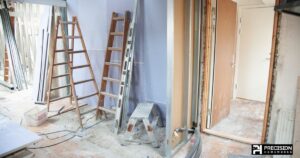
Demolition is one of the highest-risk stages of a remodeling project because hidden plumbing components may be located behind walls, under floors, or inside cabinets.
Careful demolition practices help prevent accidental damage.
Important precautions include:
- Identifying pipe locations before removing materials
- Turning off water supply when necessary
- Avoiding unnecessary force near plumbing areas
- Protecting exposed pipes during construction
Professional contractors carefully coordinate demolition activities to reduce the chance of damaging important home systems.
Upgrade Plumbing When Remodeling Older Homes
Many remodeling projects provide an opportunity to improve outdated plumbing systems.
Older plumbing components may not meet the needs of modern households.
Common upgrades include:
- Replacing damaged pipes
- Updating bathroom fixtures
- Installing efficient faucets
- Improving drainage systems
- Upgrading water supply connections
Modern plumbing fixtures can also improve water efficiency while enhancing the appearance of renovated spaces.
For example, a bathroom renovation may include updated shower systems, new faucets, and improved drainage solutions that provide better performance.
Protect Plumbing During Kitchen Remodeling
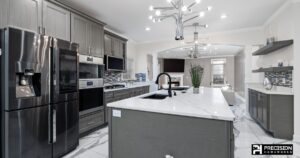
Kitchen remodeling projects often involve significant plumbing changes because kitchens depend on multiple water-related features.
Common kitchen plumbing components include:
- Kitchen sinks
- Dishwashers
- Garbage disposals
- Water filtration systems
- Refrigerator water connections
During renovation, these connections must be properly protected and installed.
A poorly planned kitchen remodel can create issues such as:
- Drainage problems
- Water leaks
- Improper fixture placement
Working with experienced professionals ensures that new kitchen designs maintain proper plumbing functionality.
Homeowners planning a complete kitchen remodeling project should consider plumbing requirements alongside design decisions.
Protect Plumbing During Bathroom Remodeling
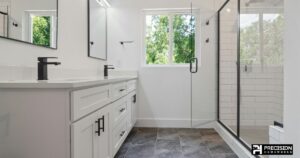
Bathrooms contain some of the most important plumbing systems in a home.
A bathroom renovation may involve:
- Shower installation
- Bathtub replacement
- Toilet relocation
- Vanity installation
- Drain modifications
Because bathrooms experience constant moisture exposure, proper plumbing installation is especially important.
A small plumbing mistake can result in hidden water damage behind walls or beneath flooring.
Professional bathroom remodeling requires careful coordination between:
- Plumbing systems
- Waterproofing materials
- Tile installation
- Bathroom fixtures
This integrated approach helps create a durable and reliable bathroom environment.
Use Proper Shut-Off and Safety Procedures
Before beginning certain remodeling activities, water supply control is essential.
Important safety steps include:
- Locating main water shut-off valves
- Identifying fixture shut-off valves
- Testing water supply controls
- Protecting open pipe connections
These steps allow contractors to safely complete renovation work while reducing the risk of uncontrolled water leaks.
Knowing the location of shut-off valves also helps homeowners respond quickly if a plumbing emergency occurs.
Avoid Covering Damaged Plumbing During Renovation
A common remodeling mistake is hiding existing plumbing problems behind new finishes.
For example, installing new drywall or cabinets over leaking pipes may create larger problems later.
Before closing walls or installing permanent finishes, contractors should verify:
- Pipe connections
- Drain performance
- Water pressure
- Leak conditions
Completing these checks helps ensure the renovated space remains reliable after construction.
Coordinate Plumbing With Other Remodeling Systems
Plumbing does not work independently from other home systems.
During renovation, plumbing decisions may affect:
- Electrical installation
- Cabinet layouts
- Flooring design
- Wall construction
- Appliance placement
For example, moving a kitchen appliance may require changes to both electrical connections and plumbing supply lines.
A coordinated remodeling approach prevents conflicts between different parts of the project.
Choose Materials That Support Long-Term Plumbing Performance
The materials used during renovation influence the durability of the plumbing system.
Professional contractors select materials based on:
- Location
- Water exposure
- Building requirements
- Fixture compatibility
Quality plumbing components can improve reliability and reduce future maintenance needs.
Choosing the right materials is especially important in areas exposed to frequent moisture, such as bathrooms, kitchens, and laundry spaces.
Common Plumbing Mistakes During Home Remodeling
Ignoring Existing Pipe Conditions
Starting construction without inspecting existing plumbing can lead to unexpected failures.
Older pipes may require attention before new features are installed.
Moving Fixtures Without Proper Planning
Changing the location of sinks, toilets, or showers may require significant plumbing adjustments.
Without proper planning, drainage and water supply problems can occur.
Closing Walls Before Testing Plumbing
All plumbing connections should be tested before walls and finishes are completed.
This prevents hidden leaks from becoming expensive repairs.
Choosing Appearance Over Function
Beautiful fixtures are important, but they must also work properly with the home’s plumbing system.
A successful renovation balances design with performance.
How Professional Remodeling Contractors Protect Plumbing Systems
Experienced remodeling contractors understand how construction and home systems work together.
A professional approach includes:
- Evaluating existing plumbing
- Planning layout changes
- Coordinating with licensed plumbers
- Testing new installations
- Inspecting completed work
This process helps homeowners achieve attractive renovations without compromising essential home infrastructure.
Companies specializing in home remodeling projects can help manage these details while creating spaces that are comfortable, functional, and durable.
Frequently Asked Questions About Protecting Plumbing During Remodeling
Should plumbing be inspected before remodeling?
Yes. Inspecting plumbing before renovation helps identify existing problems and allows homeowners to plan necessary repairs or upgrades.
Can remodeling damage hidden pipes?
Yes. Demolition and construction activities can accidentally damage pipes located behind walls, under floors, or inside ceilings.
Should I replace old plumbing during renovation?
If existing plumbing shows signs of damage, corrosion, or poor performance, replacing it during remodeling may prevent future problems.
Do kitchen and bathroom remodels require plumbing changes?
Many kitchen and bathroom renovations involve plumbing adjustments because fixtures, appliances, and layouts often change.
Why is professional plumbing coordination important during remodeling?
Professional coordination ensures plumbing systems work correctly with other renovation elements such as electrical, flooring, cabinets, and fixtures.
Final Thoughts
Protecting your home plumbing during remodeling projects is an important part of creating a successful renovation.
While design upgrades create visible improvements, the plumbing system provides the essential functionality behind everyday activities.
Careful planning, professional inspections, proper materials, and coordinated installation help prevent costly problems and ensure your remodeled space performs reliably.
Whether updating a bathroom, redesigning a kitchen, or completing a full home transformation, protecting plumbing systems from the beginning helps create a renovation that is both beautiful and built to last.
Precision Homeworks helps homeowners create well-planned remodeling solutions that combine design, functionality, and long-term quality.